
World Exploration
Explore the open world of Big Walk — landmarks, sound shrines, ocean zones, day-night cycles, and hidden areas across the Australian bushland
Introduction
The open world of Big Walk is inspired by Wilsons Promontory National Park in Victoria, Australia — a vast bushland of spiky grasses, rolling hills, and hidden discoveries. Unlike most games, there are no big arrows, no guidance markers, and no minimap. Observation and discussion with your group are how you find puzzles and new areas. Key landmarks include sound shrines with curved ramps producing different note blends, the chill ocean hangout zone with relaxing music, and green plastic treehouses with bridges for climbing and exploration.
World Zones & Landmarks
| Zone | Features | Discovery Type |
|---|---|---|
| Sound Shrines | Curved ramps producing note blends | Musical exploration |
| Ocean Zone | Relaxing music, hangout space | Social downtime |
| Treehouses | Green plastic, bridges for climbing | Vertical exploration |
| Bushland Trails | Spiky grasses, yellow boulders | Observation-based navigation |
| Jungle Gym | Sliding, lifting, climbing mechanics | Physical play area |
Landmark Guide
Sound Shrines
Humming shrines with curved ramps
Ocean Zone
Chill coastal hangout space
Treehouses
Green plastic structures with bridges
Bushland Trails
Spiky grasses, yellow boulders
Jungle Gym
Physical play and climbing mechanics
Core Mechanics
The world of Big Walk operates on observation-based exploration rather than guided navigation. There are no minimaps, quest markers, or big arrows pointing the way. Players discover puzzles and areas by visually scanning the environment, discussing observations with teammates, and testing interactions. The day-night cycle creates brief transitional moments that transform the atmosphere. Sound shrines with curved ramps produce musical note blends when explored, and the ocean zone provides a deliberately puzzle-free relaxation area.
Advantages
The open world of Big Walk rewards curiosity and observation rather than following markers, which creates a more organic and memorable exploration experience. Sound shrines and musical discovery points provide delightful surprises that encourage thorough investigation. The ocean hangout zone gives groups a dedicated space for social bonding between puzzle-solving sessions, creating natural pacing rhythms. The day-night cycle adds atmospheric variety without creating stressful time pressure.
Challenges
The open world design's lack of navigation aids — no minimap, no markers, no arrows — while intentional and philosophically sound, can frustrate players accustomed to guided experiences. The world between puzzle areas can feel empty to some players, a criticism noted in multiple reviews. The day-night cycle's brevity means its visual impact is limited. Some players report difficulty in finding the next puzzle after completing one, especially without external reference or guides.
Frequently Asked Questions
How do I find puzzles without markers or a minimap?+
What is the ocean zone for?+
Does the day-night cycle affect gameplay?+
Quick Tips
Look up and around, not just forward. Big Walk's puzzles are often spotted by noticing unusual structures or interactive objects in the distance. Use binoculars to scout areas before walking there — this saves time and helps plan your group's route.
Visit the ocean zone when you need a break. It's designed as a social hangout space with relaxing music and no puzzles. Taking breaks prevents puzzle fatigue and gives your group time to chat and bond, which strengthens your communication for the next challenge.
Follow the sound shrines — they hum with distinct notes as you approach. These musical landmarks serve as natural navigation points in a world without markers. If you hear an unusual hum, investigate it; it might lead to a new discovery or puzzle area.
Featured

Big Walk Wilsons Promontory: Landmarks & Sunset Guide
Explore Big Walk Wilsons Promontory's best landmarks, hidden trails, and iconic sunset spots in this complete Australian wilderness guide for walkers.
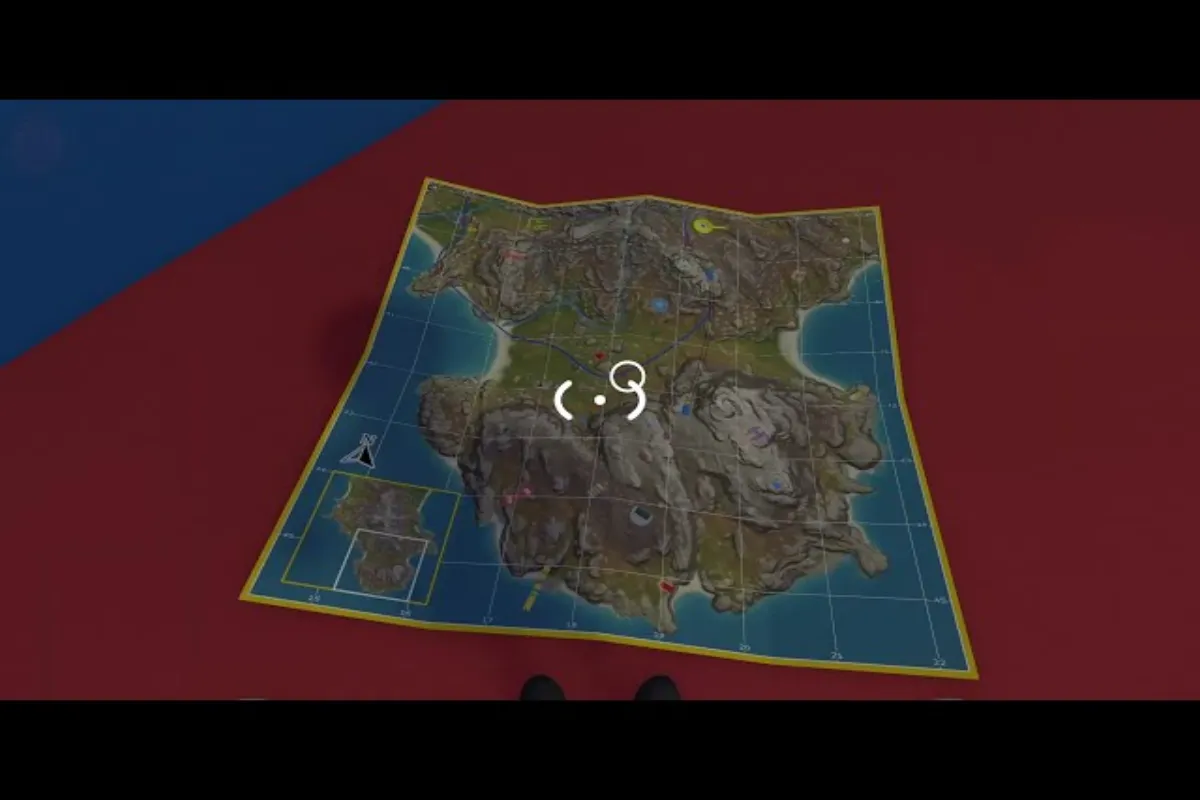
Big Walk Hidden Areas: Landmarks & Sunset Secrets Guide
Discover Big Walk hidden areas, must-see landmarks, and sunset secrets in this House House co-op adventure. Map every sound shrine and secret path.
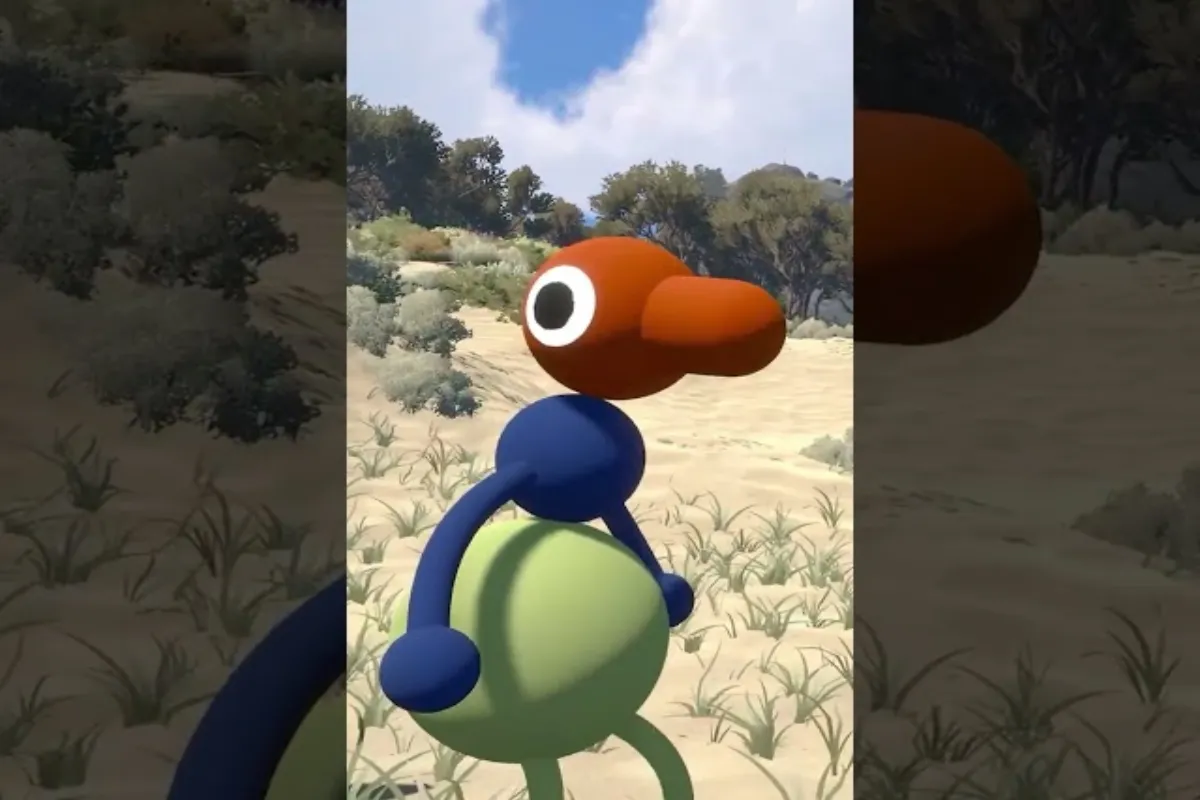
Big Walk Open World Guide: Landmarks, Sunsets & Secrets
Explore the Big Walk open world with our guide to its most memorable landmarks, the magic of Big Walk sunset moments, and how to find every connected area.
All Articles

Big Walk Secret Locations and Hidden Landmarks Guide
Explore every Big Walk secret location and landmark. Find sunset viewpoints, sound shrines, hidden treehouses, and puzzle rewards across the open world.

Big Walk All Locations: Complete Landmarks & Sunset Guide
Explore every Big Walk location with our guide to all landmarks, hidden spots, and the best sunset viewing areas across the open world map.
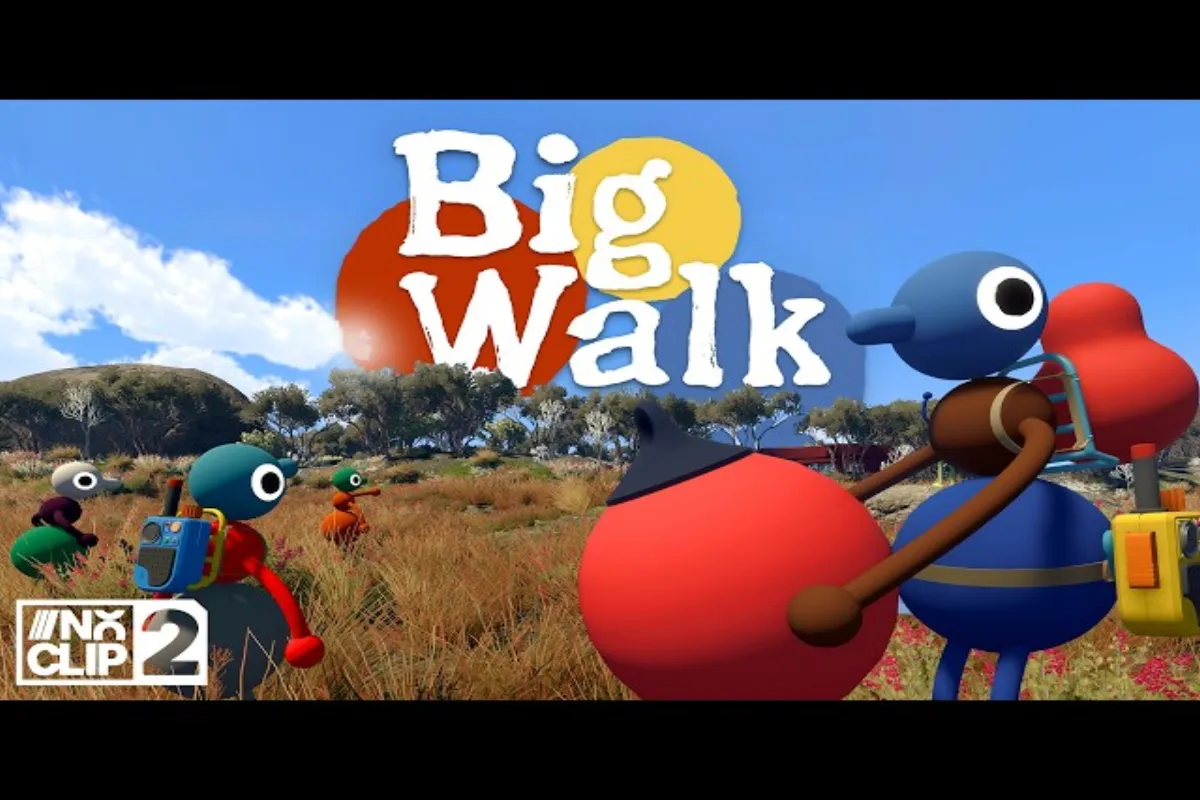
Big Walk Environment Inspired By Real Australian Bushland
Discover what Big Walk's environment is inspired by, from Australian bushland and Wilsons Promontory landmarks to stunning sunset moments that define every co-op adventure.

the game Big Walk Exploration Guide: Landmarks & Sunsets
Big Walk exploration guide with landmark tips, sunset timing, and observation techniques for the co-op open world from House House. Updated 2026.
Big Walk World Map: Complete Landmark & Sunset Guide
Explore the Big Walk world map with our landmark guide, sunset viewing spots, and navigation strategies. Find every hidden place in Wilsons Promontory.