Communication Tools
Comprehensive guide to all Big Walk communication tools — walkie-talkies, laser pointers, megaphones, flares, whiteboards, and more creative coordination methods
Introduction
Communication tools are the heart of Big Walk's cooperative gameplay. With seven distinct tools — walkie-talkies, laser pointers, binoculars, megaphones, flares, whiteboards, and cowbells — each solves a different coordination challenge. Walkie-talkies bridge distance with static crackle, laser pointers guide teammates visually from afar, megaphones amplify voice across open areas, and whiteboards enable non-verbal symbol communication through soundproof glass. Mastering when and how to use each tool is essential for solving the game's communication-based puzzles.
Communication Tool Comparison
| Tool | Type | Range | Best Use |
|---|---|---|---|
| Walkie-Talkie | Distance Voice | Long Range | Stay in touch when separated |
| Laser Pointer | Visual Guide | Line of Sight | Point at objects or directions |
| Binoculars | Scouting | Long Range | Relay info about distant areas |
| Megaphone | Amplified Voice | Extended Range | Reach players across distances |
| Flare | Signal | Map-wide | Reconvene scattered players |
| Whiteboard | Non-verbal | Same Room | Draw symbols across barriers |
| Cowbell | Audio Signal | Short Range | Get attention or make noise |
Tool Roster
Walkie-Talkie
Distance voice with static crackle
Laser Pointer
Visual targeting from afar
Megaphone
Amplified voice across open areas
Flare / Flaregun
Map-wide signal to reconvene
Whiteboard
Non-verbal drawing communication
Binoculars
Scouting and information relay
Cowbell
Audio signal for attention
Core Mechanics
Communication tools in Big Walk form an integrated system where each device addresses a specific coordination gap. Walkie-talkies bridge long distances with realistic static limitations, laser pointers provide precise visual targeting, binoculars enable scouting and information relay, megaphones extend voice range across open areas, flares signal map-wide reconvene points, whiteboards enable drawing-based communication through barriers, and cowbells provide short-range audio attention-getting. The big golden head remains a mysterious tool whose full functionality is still being discovered by the community.
Advantages
The communication tools system offers clear, distinct advantages for each tool that are easy to understand and document. Each tool has a specific purpose and range limitation that creates interesting strategic choices — do you use a walkie-talkie for distance communication, or signal with a flare to reconvene? The tools are also available consistently throughout the game, so learning them early pays dividends across all puzzles. The variety of seven core tools plus the mysterious big golden head provides rich content for detailed guides.
Challenges
The communication tools system, while rich, has limitations in documentation because the tools' effectiveness depends heavily on group dynamics and player creativity. A walkie-talkie strategy that works perfectly for a disciplined 4-person group may fall apart with 8 chaotic players. The mysterious big golden head also presents documentation challenges — its full functionality is still being discovered by the community, making any guide potentially incomplete. Tool interactions and combinations create emergent possibilities that are impossible to fully catalog.
Frequently Asked Questions
Which communication tool should I use first?+
Can I carry multiple tools at once?+
What does the big golden head do?+
Quick Tips
Assign tool roles in your group before starting a puzzle section. One player carries the walkie-talkie for distance scouting, another the whiteboard for barrier communication, and a third keeps the flare ready for emergencies. Tool management is as important as puzzle-solving.
Remember you can only carry one item at a time. Plan tool exchanges carefully — dropping a tool for a teammate to pick up requires coordination. The 'no backpack' design means every tool swap is a communication challenge in itself.
The whiteboard is your best friend for glass-wall puzzles. Practice drawing simple symbols that your group can recognize — arrows, numbers, shapes. Clear, consistent drawings save time and reduce confusion when communicating across soundproof barriers.
Featured
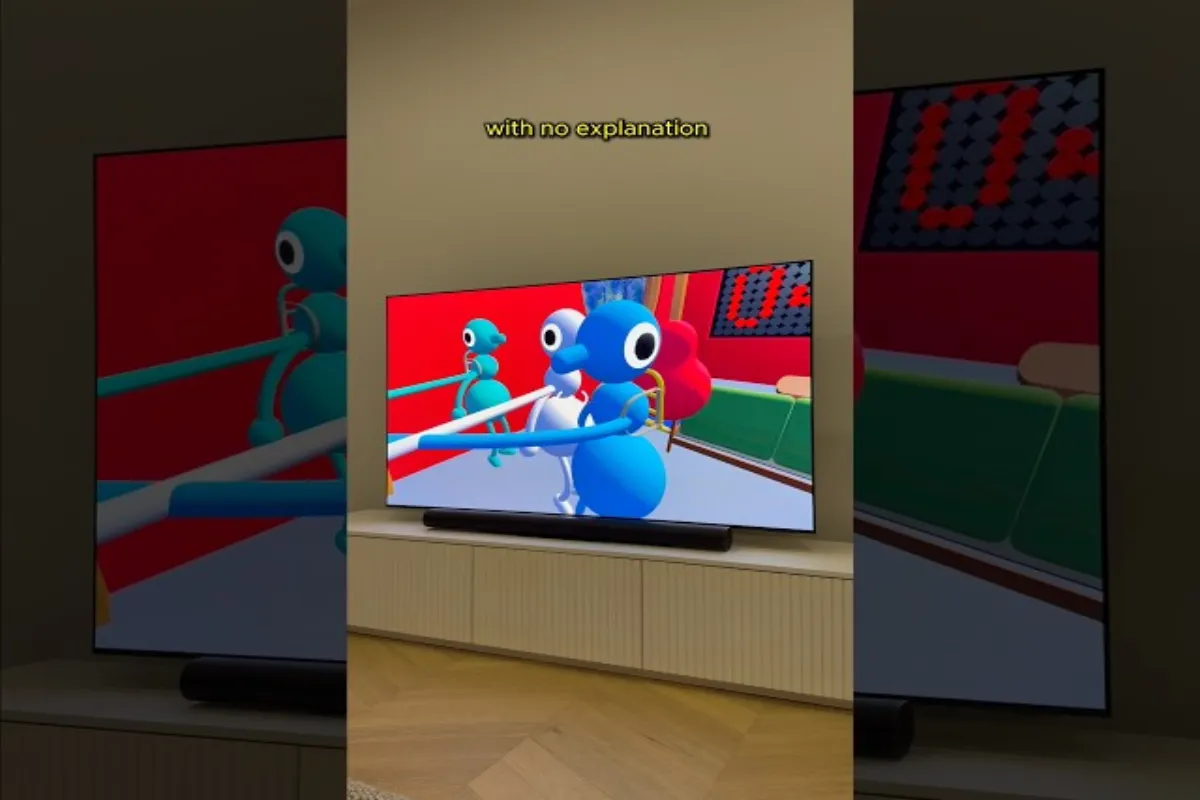
Big Walk Laser Pointer: Best Communication Tool Guide
Master the Big Walk laser pointer for effortless group coordination. Compare it with binoculars and megaphone, learn unlock steps, and discover pro calling tips.
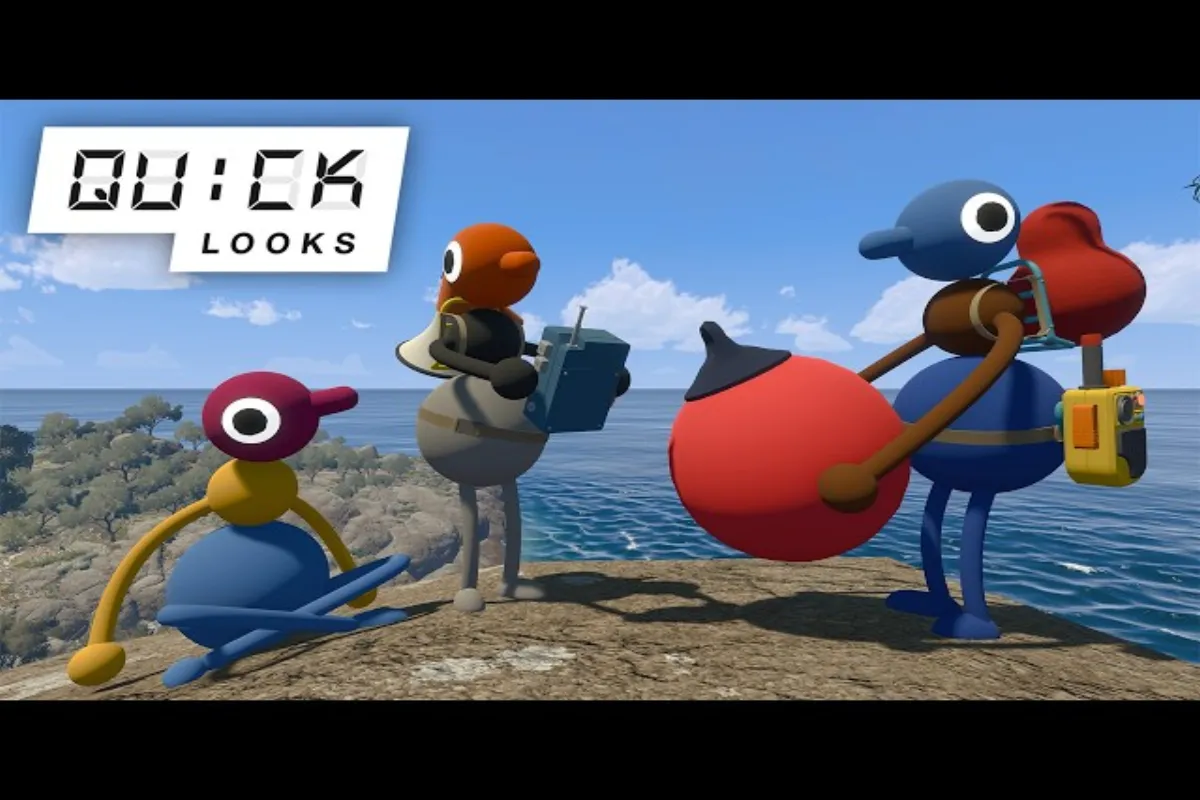
Big Walk Communication Tools Guide: Master Every Device
Complete Big Walk communication tools guide covering binoculars, megaphone, walkie-talkies, flare guns, and laser pointers for coordinated co-op play.
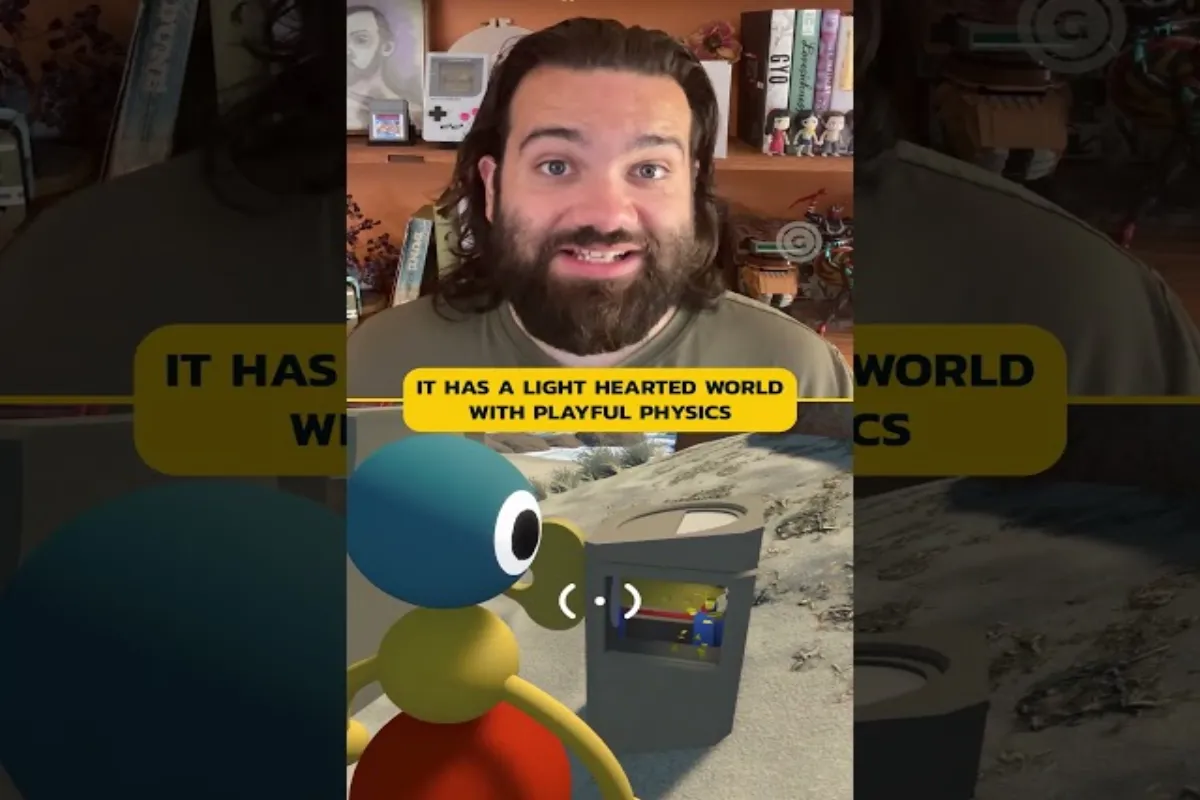
Big Walk Flare Gun Guide: Mastering Signal Tools
Master the Big Walk flare gun, binoculars, and megaphone with our guide on usage tips, optimal timing, and team coordination strategies for co-op play.
All Articles
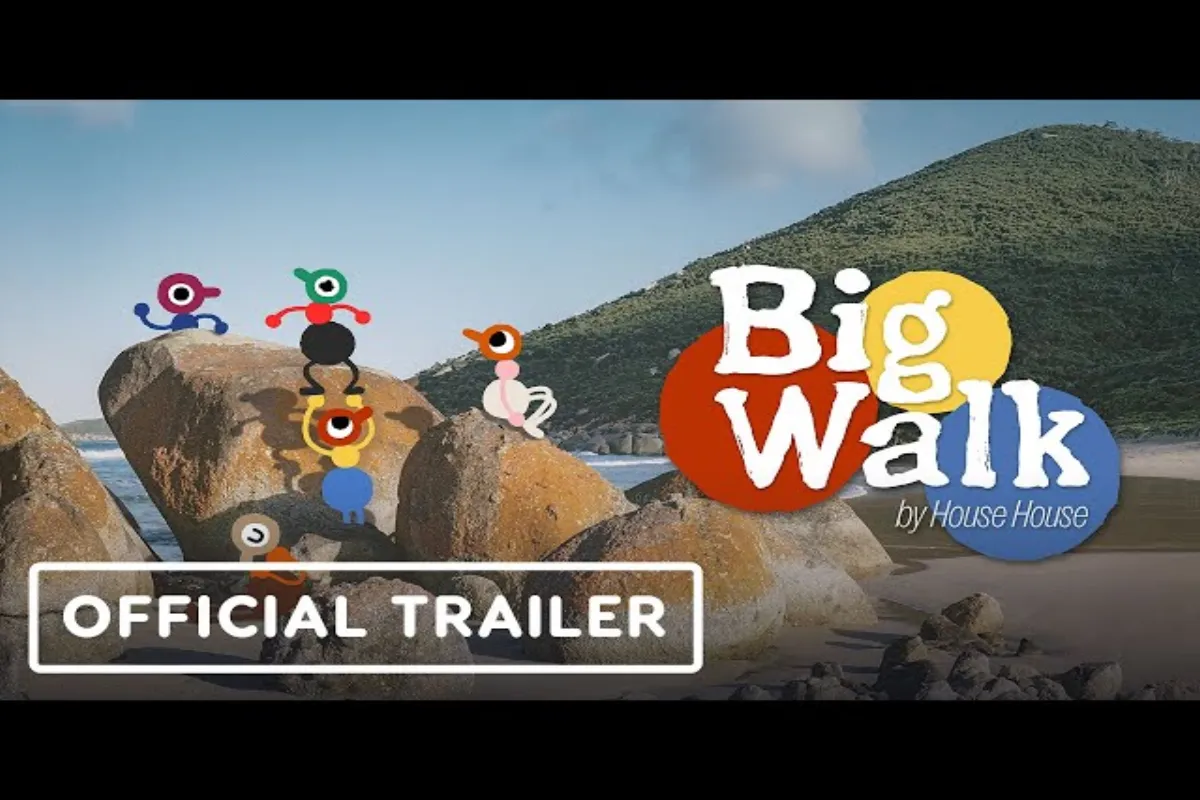
Big Walk: How to Use Tools, Binoculars & Megaphone
Learn Big Walk how to use tools effectively. Master binoculars for scouting, the megaphone for long-range comms, and core tool mechanics in co-op play.
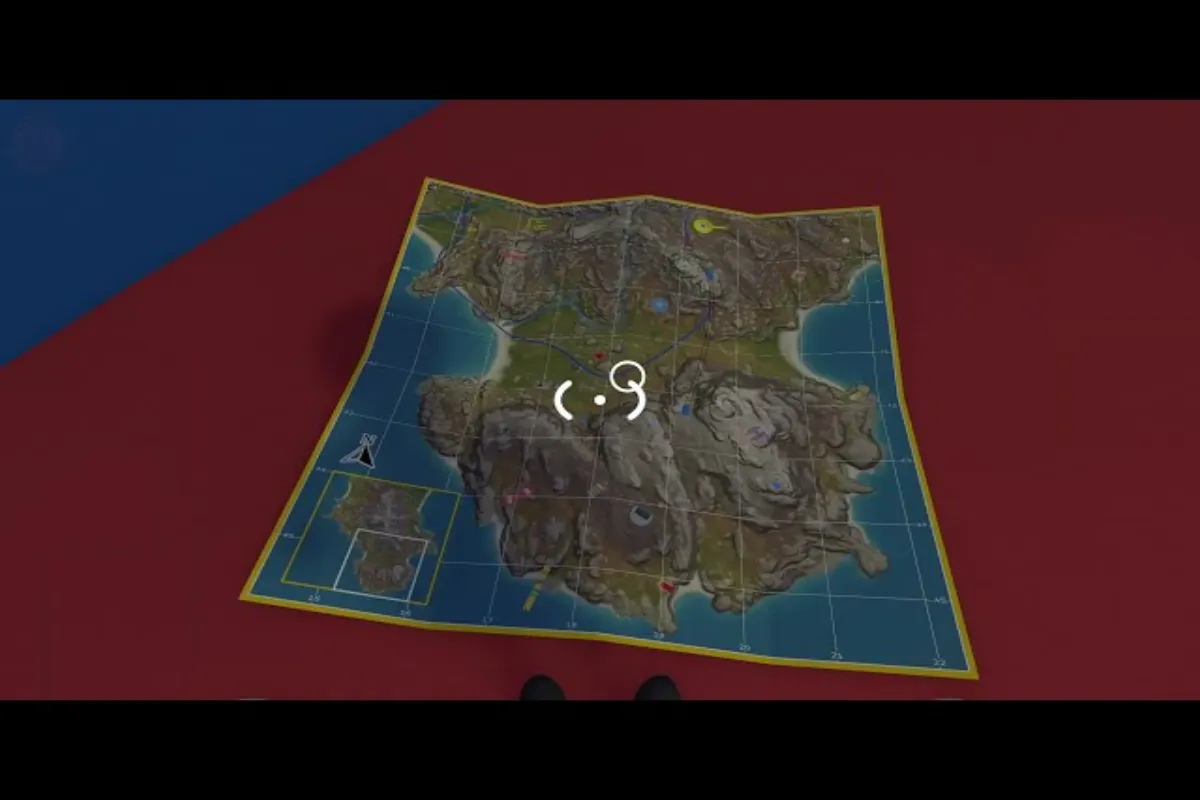
Big Walk Tool Locations: Find Every Binocular and Megaphone
Find every Big Walk tool location with our complete guide. Binoculars, megaphones, and gadgets—spawns, unlock tiers, and long-distance coordination tips.
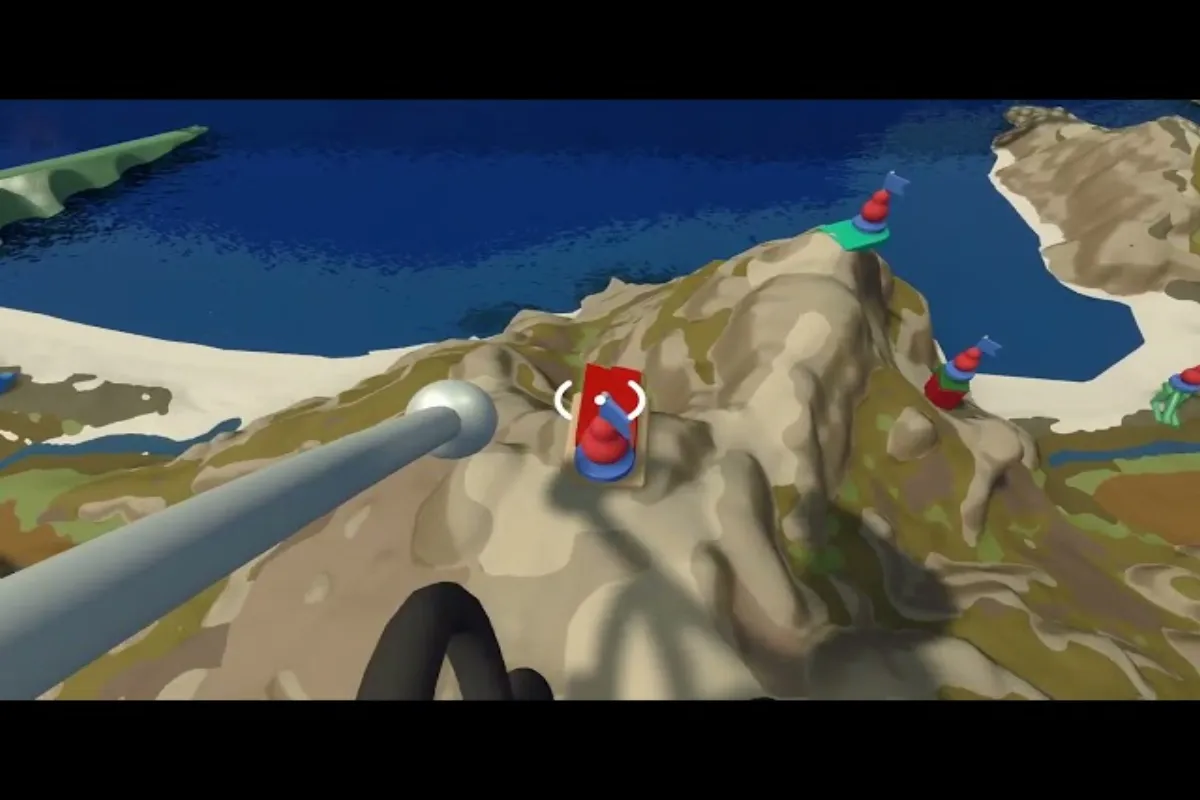
Big Walk All Tools List: Complete Communication Gear Guide
Master every Big Walk communication tool in our complete all tools list guide. Compare binoculars, megaphone, and every gear to upgrade your walk.
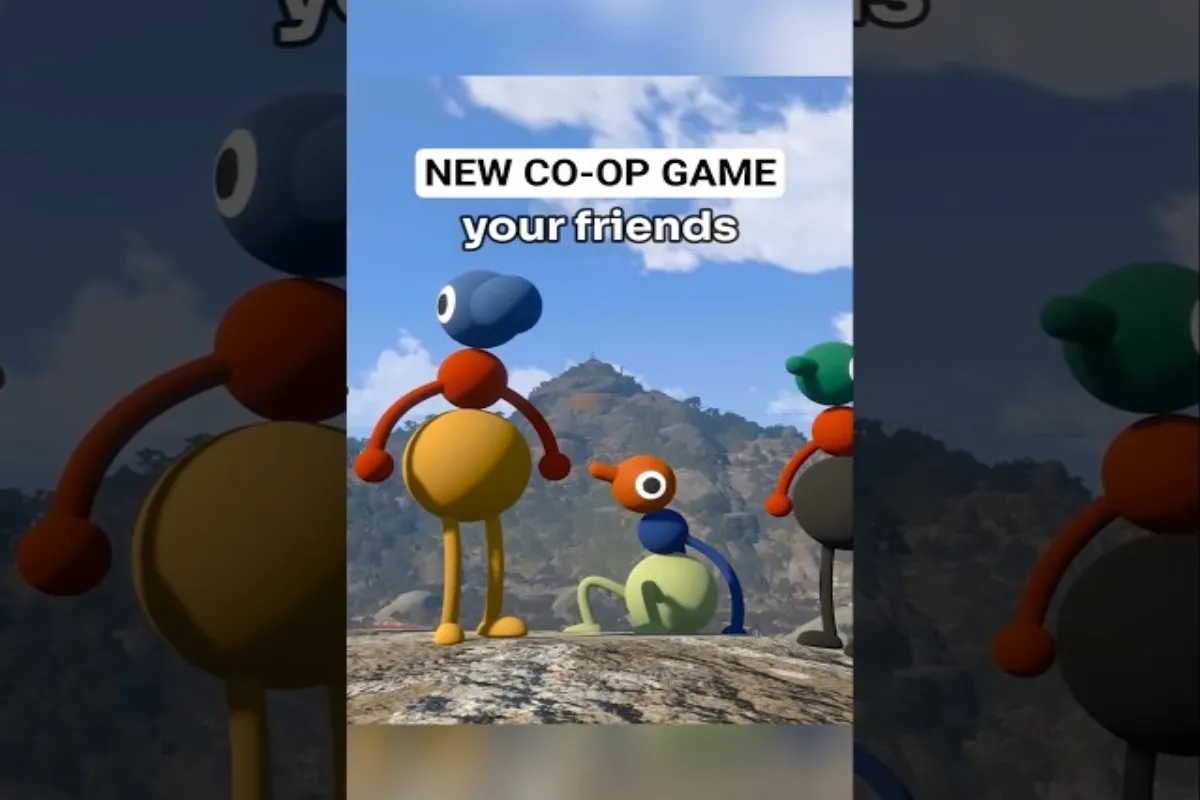
Big Walk Walkie-Talkie: Best Communication Tool Guide
Master the Big Walk walkie-talkie, binoculars, and megaphone for seamless team coordination. Learn range, battery tips, and combo loadouts.
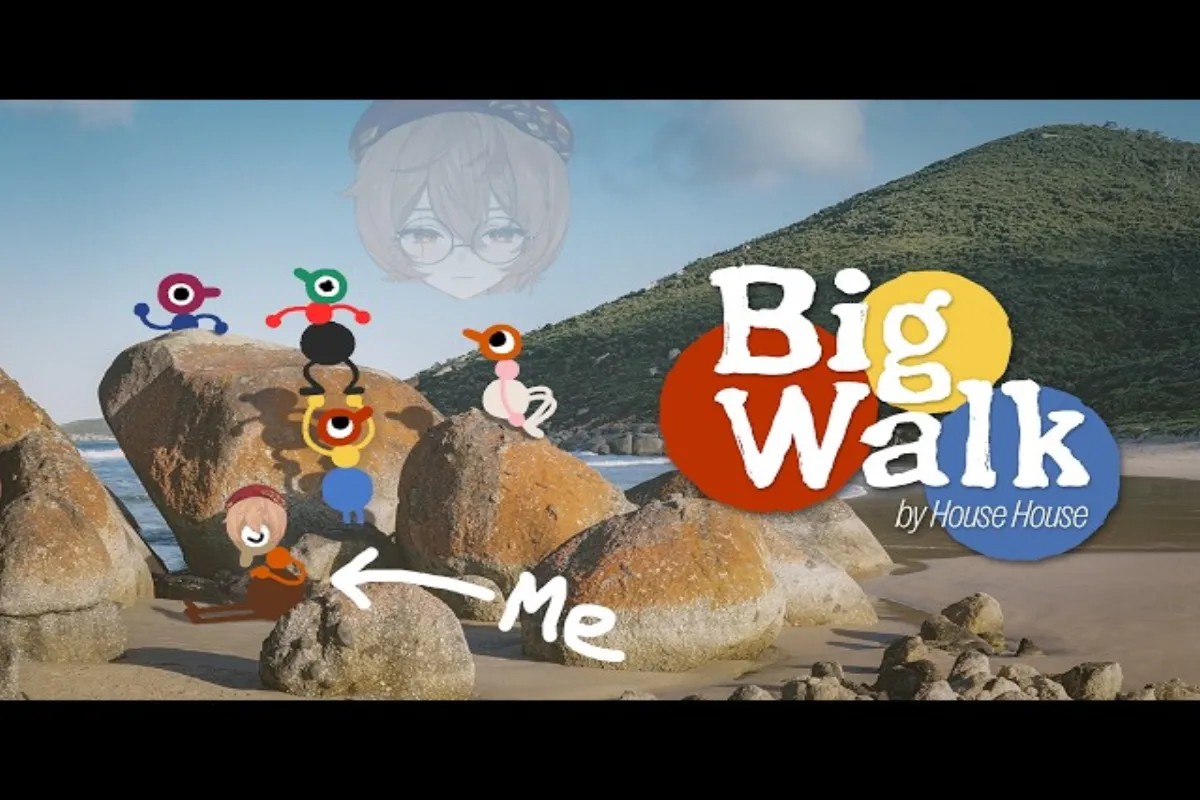
Big Walk Big Golden Head: Tools, Tips & Strategies
Master the Big Walk big golden head, binoculars, and megaphone in House House's open-world co-op game. Tool tips, locations, and communication strategies.