
Puzzle Solutions
Step-by-step solutions for every cooperative puzzle in Big Walk, including crane, relay, glass-wall, and simultaneous switch challenges
Introduction
Puzzle solutions for Big Walk provide detailed walkthroughs for every cooperative challenge in the game. Each puzzle requires genuine teamwork and creative communication — from crane puzzles where players stack vertically to reach high buttons, to relay puzzles where one player reads symbols through a window while others assemble the solution outside. Understanding puzzle scaling is crucial: the same puzzle automatically adjusts for different player counts, so solutions may vary between 2-player and 8-player groups.
Puzzle Types & Mechanics
| Puzzle Type | Mechanic | Players | Key Challenge |
|---|---|---|---|
| Crane | Vertical stacking to reach button | 2+ | Shoulder stacking coordination |
| Relay | Read symbols through window | 2+ | Visual-audio relay accuracy |
| Glass Wall | Communicate across soundproof barrier | 2+ | Non-verbal symbol exchange |
| Simultaneous Switch | Press switches at the same time | 3+ | Timing coordination |
| Area Unlock | Solve local puzzles to open bridge | 2+ | Multi-puzzle sequence |
Puzzle Breakdown
Crane Puzzle
Vertical stacking coordination
Relay Puzzle
Symbol transmission through windows
Glass Wall Puzzle
Non-verbal communication across barriers
Simultaneous Switch
Timing coordination across distance
Area Unlock
Multi-puzzle sequence completion
Core Mechanics
Big Walk's puzzle system operates on the principle that communication itself is the puzzle. Each cooperative challenge requires players to coordinate information across physical barriers or distance limitations. Crane puzzles need vertical player stacking, relay puzzles demand visual-to-audio information transfer through windows, glass-wall puzzles require non-verbal symbol communication, and simultaneous switch puzzles test timing precision. The scaling system ensures 2-player groups face appropriately adjusted versions of the same challenges that 8-player groups encounter.
Advantages
The puzzle solution system benefits from Big Walk's adaptive scaling, which means a single solution framework works across different player counts with minor adjustments. This makes documentation efficient — instead of needing separate guides for 2-player, 4-player, and 8-player versions, solutions can explain the core mechanic and note scaling differences. The puzzle design is also deterministic — once you understand the mechanic, the solution is reliable, unlike games with random elements or difficulty spikes.
Challenges
Puzzle solution documentation faces the challenge that Big Walk's puzzles are designed to be experienced, not just solved. Providing step-by-step solutions can diminish the satisfaction of figuring out the communication challenge, which is the game's core appeal. The puzzle scaling system also means solutions vary significantly by player count, requiring either multiple solution variants or sufficiently abstract descriptions that work across all configurations. Some puzzles rely on timing and social dynamics that are hard to document precisely.
Frequently Asked Questions
Do puzzle solutions change based on player count?+
What should I do if I'm stuck on a puzzle?+
How do I unlock new areas in Big Walk?+
Quick Tips
Start each puzzle by communicating what you see with your group. In Big Walk, observation and discussion are more important than quick reactions. Take a moment to describe the environment, symbols, and interactive elements before attempting a solution — this coordination step often reveals the answer naturally.
Remember that puzzles scale with player count. A crane puzzle will be shorter for 2 players, simultaneous switches multiply for larger groups, and relay puzzles may add complexity. Don't assume a guide's solution matches your group size exactly — adjust for your player count.
If you're stuck, try switching communication tools. Can't coordinate through a glass wall with voice? Use a whiteboard. Can't reach your team with a walkie-talkie? Try a megaphone or flare. The right tool often unlocks the solution more than the right strategy.
Featured
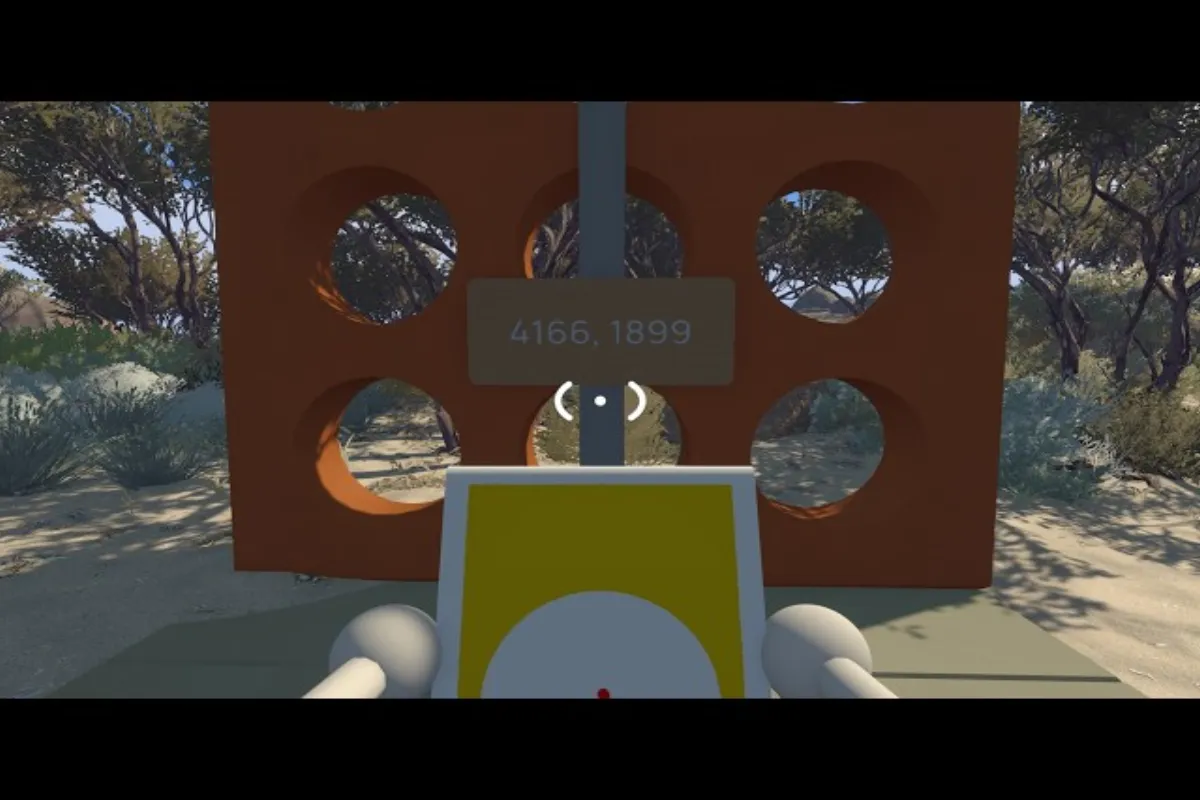
Big Walk Puzzle Solutions Guide for Every Co-op Challenge
Master every Big Walk puzzle solutions challenge with our step-by-step guide covering crane, relay, glass wall, and switch puzzles for cooperative gameplay.
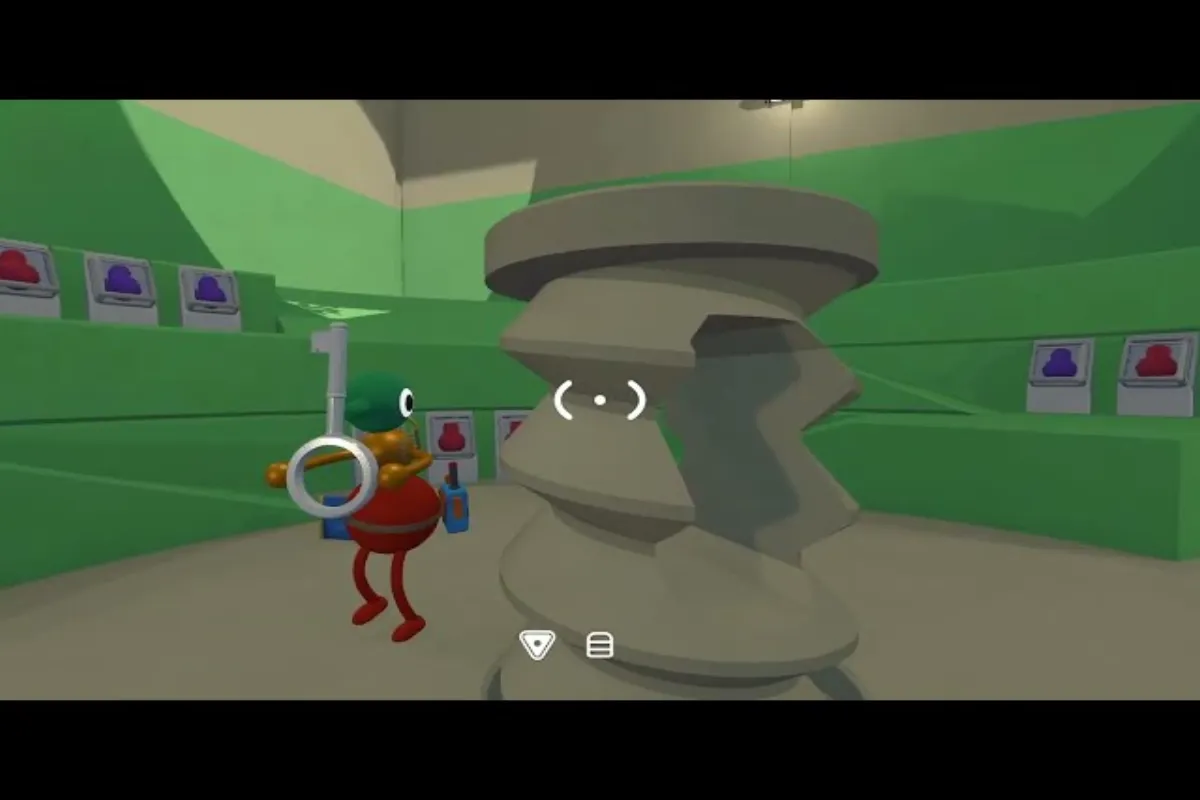
Big Walk All Puzzles Solved: The Complete Co-op Guide
Solve every puzzle in Big Walk with our complete walkthrough. From cranes to area puzzles, master co-op mechanics and finish the adventure.
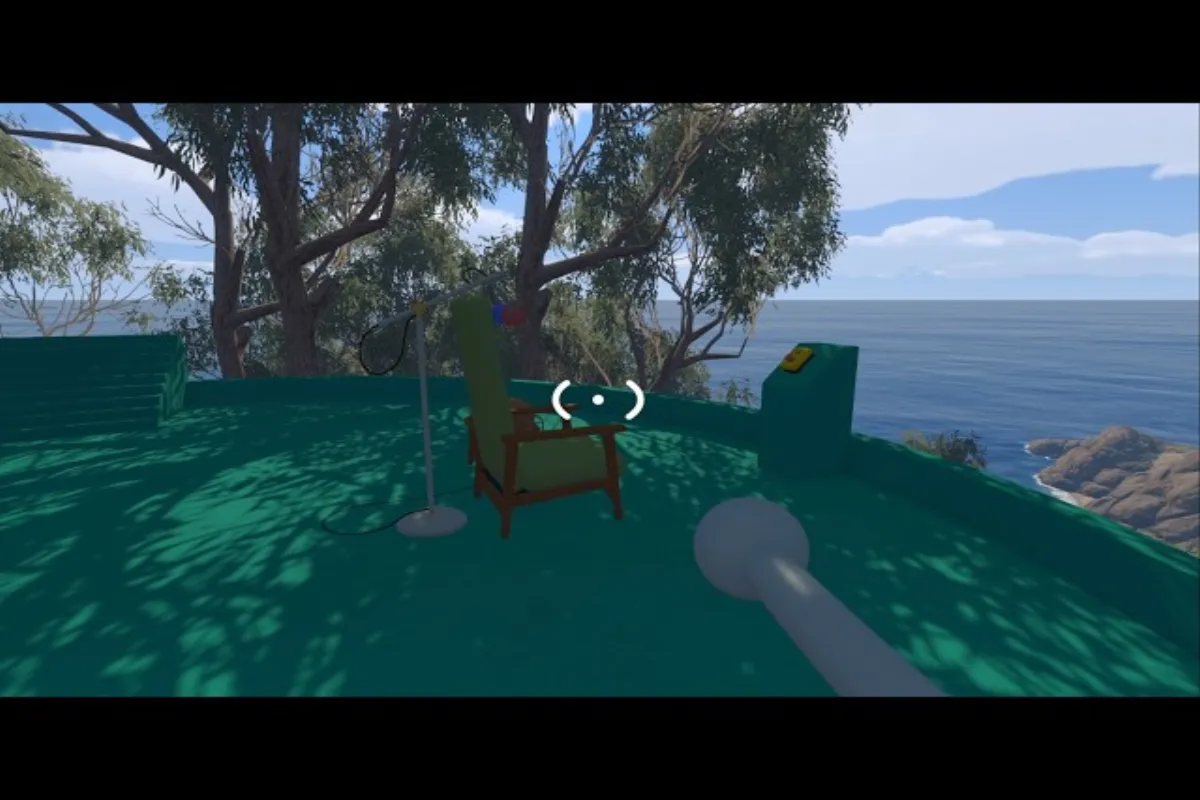
Big Walk Glass Wall Puzzle: Beat the Soundproof Barrier
Stuck on the Big Walk glass wall puzzle? Learn how to use whiteboards, walkie-talkies, and gestures to communicate symbols across the soundproof barrier.
All Articles
Big Walk Locked Room Puzzle: Complete Walkthrough Guide
Master every Big Walk locked room puzzle with this step-by-step guide covering mechanics, item locations, and pro strategies from community-tested runs.
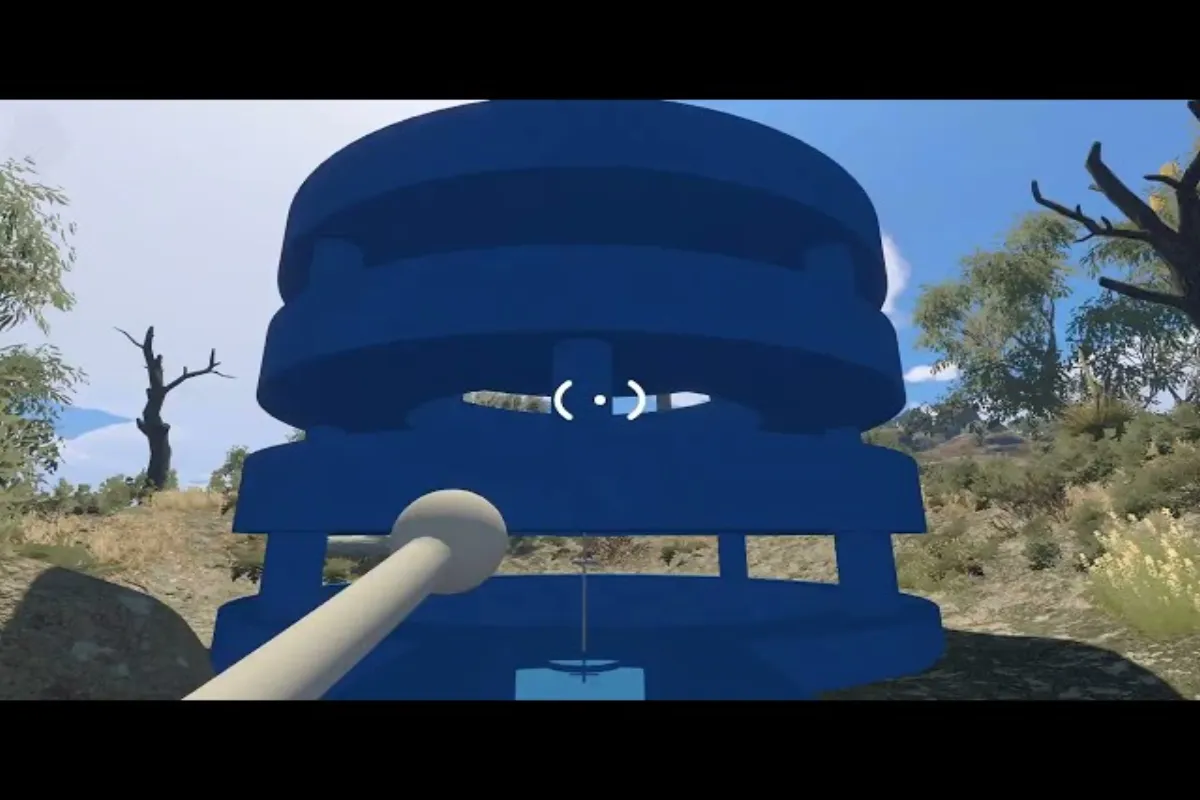
Big Walk Simultaneous Switch Puzzle Complete Guide
Master the Big Walk simultaneous switch puzzle with precise timing strategies, role splits, and proven co-op coordination techniques for any crew size.
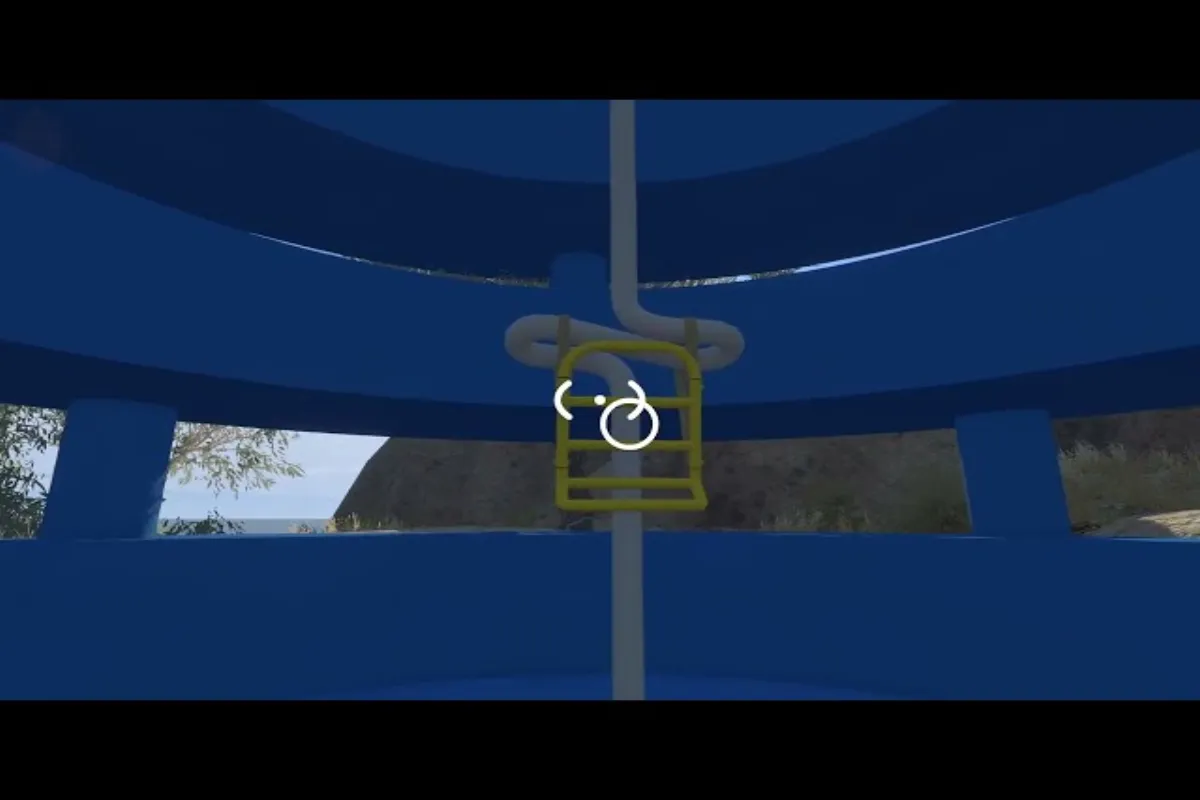
Big Walk Switch Puzzle Solution: Step-by-Step Wiring Guide
Master the Big Walk switch puzzle with a complete step-by-step wiring guide covering trigger logic, power routing, and timed switch sequences for a clean solve.
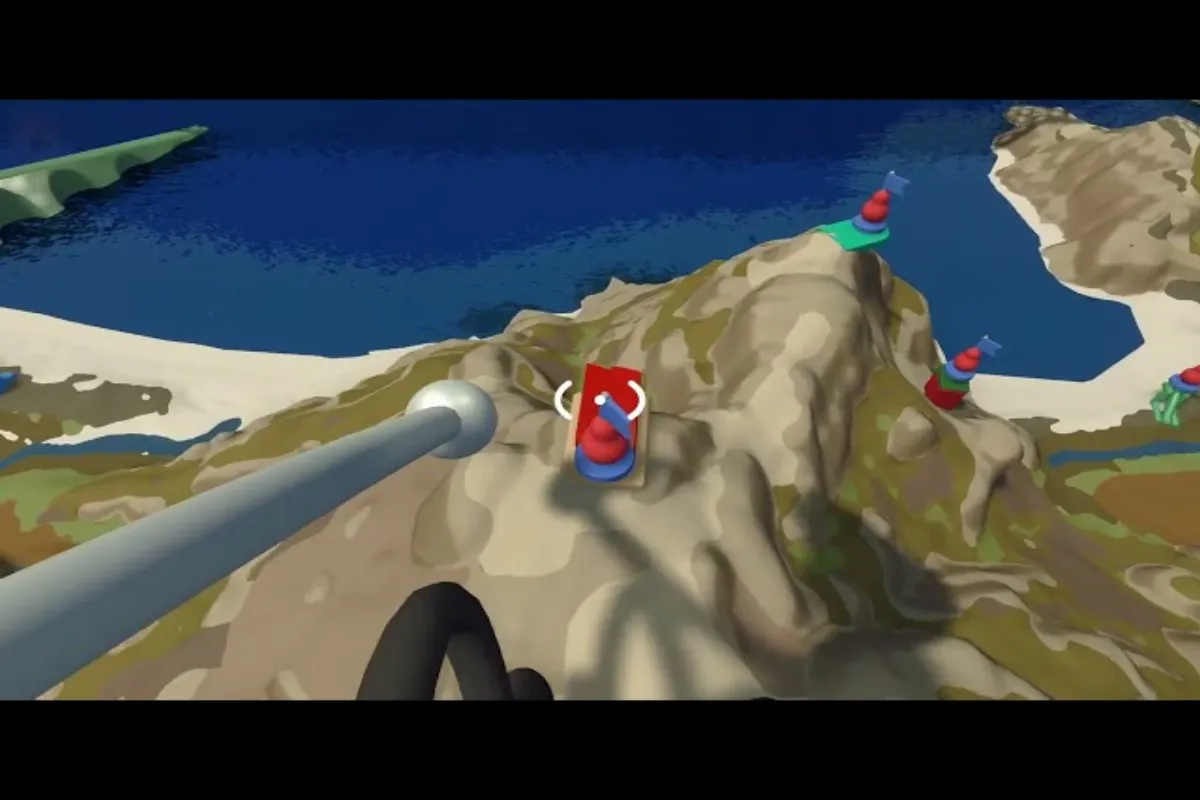
the game Big Walk Crane Puzzle: Complete Solution Guide
Stuck on the Big Walk crane puzzle? Learn shoulder stacking mechanics, adaptive height scaling, and pro tips to reach the red button fast in any co-op session.

Big Walk Relay Puzzle: Step-by-Step Co-op Solution Guide
Master the Big Walk relay puzzle with our complete co-op solution guide. Learn symbol patterns, communication tips, and walkthrough strategies to solve it fast.